
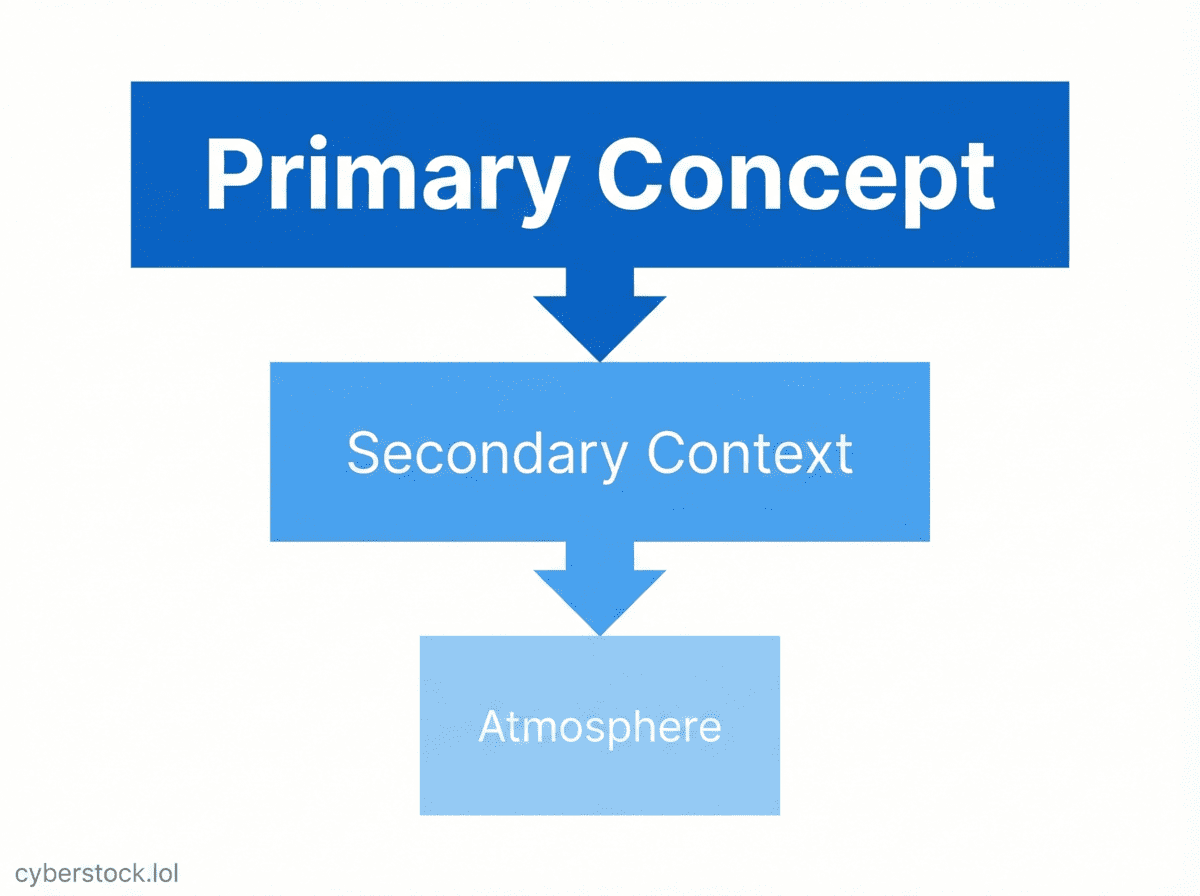
Getty Images Contributor Keywords Strategy 2026: How to Rank on the World's Most Competitive Stock Platform
Key Takeaways
Getty Images licenses to the New York Times, Fortune 500 annual reports, movie studios, and global advertising campaigns — the per-license fees reflect this, with single commercial licenses running $500 to $2,000 or more
Getty operates a two-tier system: iStock (accessible, subscription-based, lower royalty) and Getty Images proper (invitation-based, premium licensing, rates 5-20x higher than iStock)
Getty's algorithm is concept-first, not visual-first — buyers search for ideas like 'leadership transition' and 'corporate transformation' more than visual descriptions like 'person pointing at whiteboard'
The iStock exclusivity program offers up to 45% royalty versus 15% for non-exclusive — but non-exclusive distribution via CyberPusher to five platforms typically generates more total revenue than Getty exclusivity for most content types
CyberStock's Getty/iStock preset generates concept-layer keywords — the commercially valuable abstract terms that enterprise buyers use — that generic visual AI tools never produce
Editorial submissions to Getty require a dateline (location, date, event name) — missing this is an automatic rejection trigger; CyberStock flags editorial content and prompts for required dateline information
Getty Images licenses photographs to the New York Times, Condé Nast, Fortune 500 annual reports, movie studios, and global advertising agencies. The license fees reflect this buyer quality: a single Getty commercial license can run $500 to $2,000 or more. A broadcast editorial license, significantly more.
This is the highest per-download value stock platform in the world. It is also the most selective and the most technically demanding to rank on. Getting accepted requires meeting a higher technical bar. Getting to page 1 requires understanding how Getty's algorithm differs from every other major platform. This guide covers both.
Understanding the Getty Two-Tier System
Getty Images operates two distinct contributor programs that share infrastructure but have fundamentally different standards:
iStock — Getty's Accessible Tier
iStock accepts contributors through a standard application process. Quality standards are high but achievable for serious photographers. Content is licensed via subscription (Getty/iStock subscription plans) and on-demand purchases at mid-range price points. Royalty rates for non-exclusive contributors are 15% and for exclusive contributors up to 45%.
Getty Images Proper — Premium Tier
Getty Images proper is application-based and increasingly invitation-only for new contributors. Standards are significantly more stringent. Content is licensed to media organizations, advertising agencies, and enterprise clients at premium rates. Editorial content (news, sports, entertainment) is available exclusively through Getty Images proper. A single commercial license at Getty rates can generate earnings that match a month of iStock subscription downloads.
Factor | iStock | Getty Images Proper |
|---|---|---|
Acceptance process | Standard application | Application / invitation |
Quality standard | High professional standard | Editorial and commercial elite standard |
Royalty rate | 15% non-exclusive, up to 45% exclusive | Negotiated; premium for editorial |
License types | Subscription and on-demand | Commercial, editorial, broadcast |
Typical buyer | Marketing teams, designers | Media companies, ad agencies, enterprise |
Per-download value | Moderate | Premium to enterprise-level |
For most contributors, the path is iStock first, Getty Images proper later — either through invitation based on iStock performance or through a direct application with a premium editorial or commercial portfolio.
How Getty's Search Algorithm Differs From Every Other Platform
This is the most important and least understood aspect of selling on Getty: its algorithm is concept-first, not visual-first.
Adobe Stock and Shutterstock buyers are a mix of individual creators, small businesses, and marketing teams. They often search visually: 'woman laptop coffee', 'sunset beach', 'business handshake'.
Getty's primary buyer base is media companies, advertising agencies, and enterprise accounts with large content budgets. These buyers search conceptually: 'leadership transition', 'corporate transformation', 'innovation strategy', 'healthcare technology', 'economic uncertainty'.
"On Shutterstock, you describe what the image shows. On Getty, you describe what the image means. The same photo of a person at a crossroads needs visual keywords on Shutterstock and conceptual keywords on Getty — and both matter, but for different buyer searches."
This means a Getty keyword strategy must include a layer of concept keywords that most contributors never generate because generic AI tools only analyze what they visually see in the frame.
The Three Keyword Layers Required for Getty Success
Layer 1: Visual Keywords (same as all platforms)
Describe what is literally in the image: subjects, settings, actions, visual style. This is where most contributors start and stop. For Getty, this layer is table stakes — necessary but not sufficient.
Layer 2: Concept Keywords (Getty-specific priority)
Abstract terms that describe the idea conveyed by the image rather than its visual content. These are the keywords that match how editorial buyers and enterprise accounts search.
Visual keyword: person at desk with documentsConcept keyword: financial planning, investment strategy, retirement preparation Visual keyword: doctor with patient on tabletConcept keyword: telemedicine, digital health transformation, patient care technology Visual keyword: diverse business team meetingConcept keyword: inclusive leadership, collaborative decision-making, DEI workplace culture |
|---|
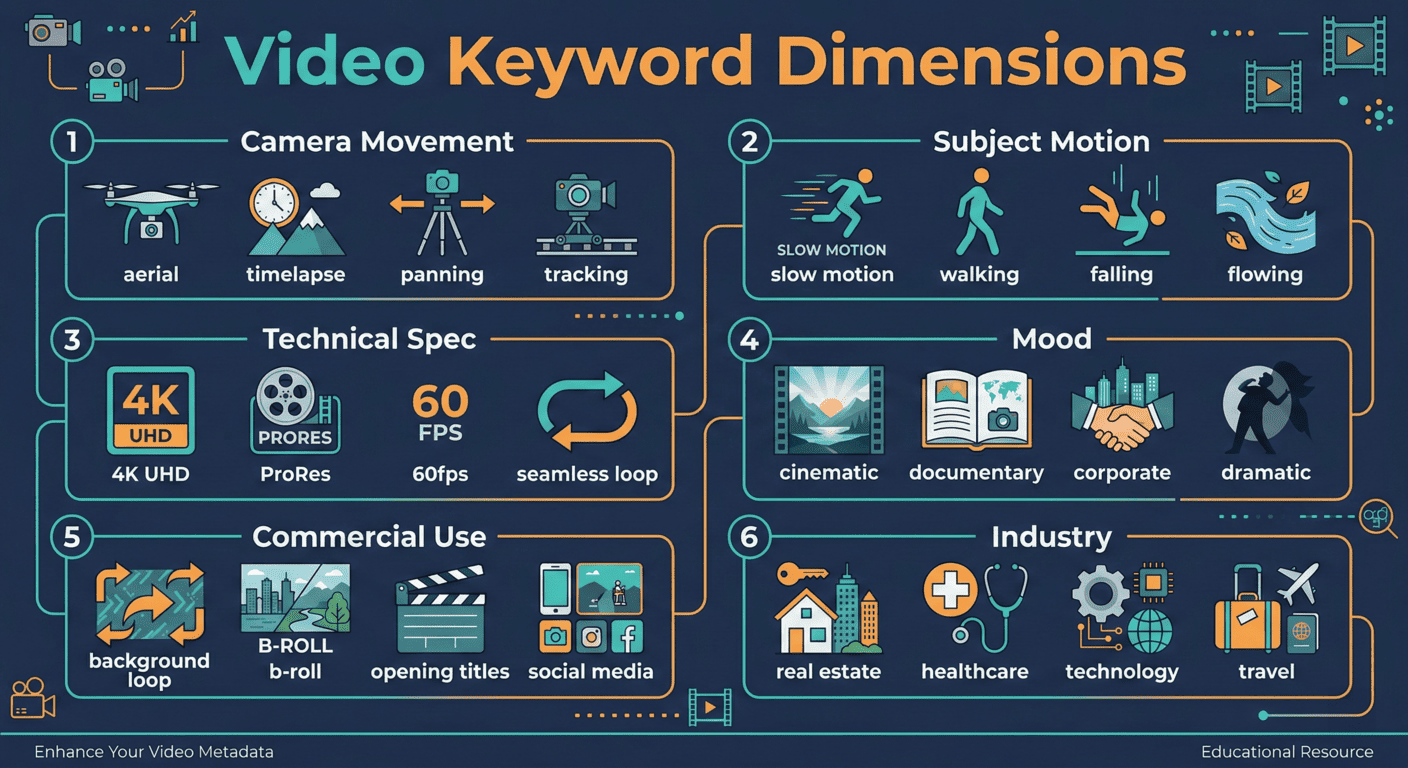
Layer 3: Industry Vertical Keywords (enterprise buyer identifiers)
Identify the specific industries whose buyers would purchase this image for commercial use. These are searchable by enterprise accounts that browse by buyer vertical:
Financial services, investment banking, wealth management, insurance sector
Healthcare and pharmaceutical, medical device industry, hospital systems
Technology sector, enterprise software, cybersecurity, telecommunications
Real estate industry, property development, commercial real estate
Education technology, higher education, corporate training and development
Getty's Quality Standards: What Gets Accepted in 2026
Getty's review team applies the most comprehensive technical quality assessment of any major platform. Understanding the standard before uploading saves significant time.
Technical Requirements
Minimum 4 megapixels for photos — in practice, the vast majority of accepted submissions are 20MP or higher
No visible noise, chromatic aberration, or soft focus — Getty reviews at 100% zoom and rejects technical imperfections that Shutterstock's review might pass
No watermarks, logos, brand identifiers, or UI elements in frame
Proper exposure throughout — blown highlights or crushed shadows that lose detail in key subject areas are rejection triggers
For video: minimum HD, no compression artifacts, professional color correction or clearly specified LOG/RAW format
Commercial Quality Standards
Authentic subjects — posed stock-photo cliches increasingly rejected; natural interaction and genuine expression required
Current aesthetics — outdated post-processing looks, styling, or set design are flagged
Diversity and authentic representation — Getty tracks and actively seeks diversity in submissions; homogeneous content portfolios receive lower curation priority
Conceptual clarity — images must convey a clear commercial idea, not just demonstrate technical skill
The Editorial Dateline: The Requirement That Gets Accounts Flagged
Editorial submissions to Getty Images proper require a dateline — a specific piece of metadata consisting of the event or location, the specific date the image was captured, and (for event coverage) the event name.
This is not optional. Missing or inaccurate datelines on editorial content are an automatic rejection trigger. And submitting clearly editorial content (news events, identifiable public locations, recognizable public figures) without the editorial flag and dateline can result in account-level action.
Correct editorial dateline format:CITY, COUNTRY - MONTH DD, YYYY: Description of event or scene.Example: NEW YORK, USA - MARCH 15, 2026: Pedestrians cross Times Square during morning rush hour. CyberStock automatically detects editorial content characteristicsand prompts for the required dateline before export. |
|---|
The iStock Exclusivity Decision: Should You Go Exclusive?
iStock's exclusivity program offers up to 45% royalty for contributors who submit exclusively to Getty/iStock. Non-exclusive contributors earn 15%. The decision is financially significant.
The honest analysis for most contributors:
Exclusivity at 45% on iStock versus non-exclusive at 15% on iStock — plus 33% on Adobe Stock plus Shutterstock tier earnings plus Pond5 plus Depositphotos — requires that your iStock exclusivity earnings exceed your total multi-platform non-exclusive earnings
In practice, for most content types and portfolio sizes, non-exclusive distribution via CyberPusher to five platforms generates more total revenue than iStock exclusivity, despite lower per-platform rates
The exception: unique, high-commercial-intent content that performs specifically well with Getty's enterprise buyer base — healthcare imagery, corporate editorial, premium lifestyle — can sometimes generate enough Getty exclusivity premium to justify it
The practical recommendation: start non-exclusive. After 12 months of data on which images sell and on which platforms, you have the actual performance data to make the exclusivity decision correctly
CyberStock for Getty/iStock: What the Preset Does Differently
CyberStock's Getty/iStock preset differs from the standard photo preset in several ways to address Getty's specific algorithm requirements:
Concept keyword generation: the AI generates abstract conceptual terms — leadership, transformation, innovation, resilience — that match Getty's concept-first search behavior and enterprise buyer query patterns
Industry vertical tagging: automatically adds buyer industry identifiers across relevant commercial sectors
Title compliance enforcement: Getty's title rules are stricter than Shutterstock's; the preset validates title length and flags titles that are too generic or too short
Release documentation flagging: every image with identifiable people, brand identifiers, or private property is flagged for the appropriate release type before export
Editorial content detection: images with characteristics indicating editorial rather than commercial content are flagged and prompt for dateline entry
At 1.33 seconds per file, processing a 500-image Getty submission batch takes approximately 11 minutes. Given Getty's significantly higher per-license values, even a 10% improvement in keyword quality from CyberStock's buyer-intent approach translates to more additional revenue on Getty than the same improvement would generate on lower-value platforms.
CyberPusher: FTP Delivery to Getty's Contributor Channel
After keywording and approving your Getty batch in CyberStock, CyberPusher handles FTP delivery to Getty's contributor intake system. Getty requires FTP delivery for contributor submissions — their web upload portal is limited to small batches.
CyberPusher authenticates to Getty's FTP server once and handles all future deliveries automatically. Files plus formatted metadata are delivered together. For large video batches — CyberPusher supports files up to 5GB per clip — the delivery runs autonomously in the background.
The same batch pushed to Getty is simultaneously delivered to Adobe Stock, Shutterstock, Pond5, and Depositphotos via the same CyberPusher workflow. One keywording session in CyberStock, one push in CyberPusher, five active revenue streams.
Getty Images requires more than keywords — it requires concept-layer metadata that matches how enterprise buyers search. CyberStock's Getty preset generates visual keywords, commercial concept terms, industry verticals, and editorial compliance checks automatically. 1.33 seconds per file, 20 free credits, no card required.cyberstock.lol |
|---|